Physical Dependence vs. Addiction: What the Difference Means

Physical dependence is a biological adaptation your body makes to a substance; addiction, clinically called substance use disorder, is a behavioral and neurological disorder defined by compulsive use despite real harm. They are not the same thing, and confusing them has real consequences for treatment, prescribing decisions, and the people who need care.
- Physical dependence: Your body adjusts to a drug’s presence. Stop taking it and withdrawal symptoms appear. This can happen with opioids, benzodiazepines, antidepressants, even beta-blockers. No compulsive behavior required.
- Addiction (substance use disorder): Defined by the DSM-5 as impaired control over use, continued use despite harm, craving, and failure to meet major obligations. Physical withdrawal may or may not be present.
- They can occur together or separately: A chronic pain patient on long-term opioids may be physically dependent but not addicted. Someone using cocaine regularly may have addiction without pronounced physical withdrawal.
As the Cleveland Clinic notes, physical dependence occurs with many medications that are not addictive at all, while addiction involves neurobiological changes that drive compulsive behavior.
Pro Tip: If you are unsure whether what you are experiencing is dependence, addiction, or both, the safest first call is to a physician or a medically supervised treatment program. A clinical assessment, not a web search, is what determines the right path.
Table of Contents
- What is physical dependence, and why does withdrawal happen?
- How do dependence, tolerance, and addiction actually differ?
- When dependence and addiction overlap, and when they don’t
- How clinicians assess and diagnose: what actually happens
- Treatment: what changes depending on the diagnosis
- What to do if you or someone you love is concerned
- Key Takeaways
- The distinction that actually changes lives
- Connected Recovery: medically supervised detox and residential treatment in Van Nuys
- Authoritative sources and further reading
What is physical dependence, and why does withdrawal happen?
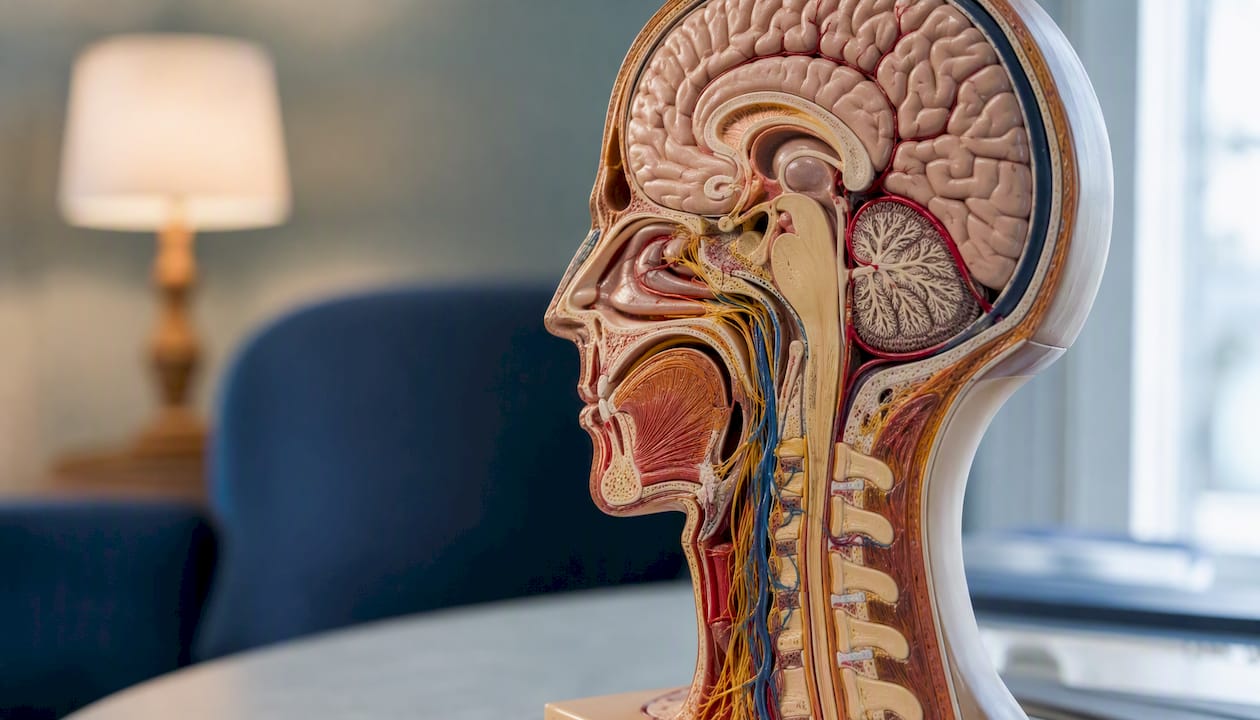
Physical dependence is what happens when your body recalibrates around a substance. With repeated exposure, the nervous system shifts its baseline, a process called homeostatic adaptation. Receptors downregulate or upregulate, neurotransmitter release changes, and the body essentially builds the drug into its normal operating state. When the drug is removed, that recalibration unwinds, and the result is withdrawal.
According to NCBI Bookshelf’s clinical pharmacology references, physical dependence is defined precisely by the appearance of a withdrawal syndrome when the substance is stopped or significantly reduced. Tolerance, the need for more of a substance to get the same effect, typically develops alongside dependence and is part of the same physiological process.
Withdrawal timeline at a glance
| Drug class | Onset of withdrawal | Acute phase duration | Protracted risk |
|---|---|---|---|
| Short-acting opioid | hours after last dose | about a week | Possible (PAWS months) |
| Long-acting opioid | about one to two days after last dose | days to a few weeks | Possible |
| Benzodiazepine | onset varies by half-life | weeks | High |
| SSRI antidepressant | onset soon after stopping | one to two weeks | Uncommon |
| Alcohol | onset within a day after stopping | about a week | Moderate |
Post-acute withdrawal syndrome (PAWS) can persist for months after acute detox, particularly with benzodiazepines and opioids, and often requires ongoing clinical monitoring well beyond the initial detox phase.
Screening tools clinicians use
- DAST-10 (Drug Abuse Screening Test): — Ten yes/no questions covering drug use patterns and consequences.
- NIDA Quick Screen: — A single-question screen for each substance class, designed for busy clinical settings.
A positive screen on any of these tools warrants a full clinical assessment, not a diagnosis on its own. Referral to an addiction specialist is appropriate when the screen is positive, when the person reports failed attempts to stop, or when there is any concern about withdrawal risk.
How do dependence, tolerance, and addiction actually differ?
The clearest way to hold these concepts apart: dependence is about what your body does; addiction is about what you do despite consequences. Tolerance is a component of both, but it is neither sufficient nor required for either diagnosis.
| Dimension | Physical dependence | Addiction (SUD) |
|---|---|---|
| Core mechanism | Physiological adaptation, receptor changes | Neurobiological reward dysregulation, behavioral compulsion |
| Behavioral markers | None required | Craving, loss of control, continued use despite harm |
| Typical drugs | Opioids, benzodiazepines, SSRIs, beta-blockers, alcohol | Opioids, stimulants, alcohol, cannabis, sedatives |
| Clinical implication | Requires managed taper or detox | Requires behavioral treatment, possible MAT, psychosocial support |
| Treatment focus | Safe discontinuation, symptom management | Behavior change, relapse prevention, long-term recovery |
A Lancet Psychiatry commentary traces part of the public confusion to the DSM-III-R, which used “dependence” as its primary term for what we now call substance use disorder. That historical terminology left clinicians and patients using the same word for two different things, a problem modern guidance has worked to correct.
Why does the distinction matter practically? When a clinician conflates dependence with addiction, a patient on long-term prescribed opioids for cancer pain may be incorrectly labeled an addict, leading to stigma, undertreated pain, or refusal of necessary medication. The reverse error, missing addiction because withdrawal is absent, delays treatment for a genuine disorder. As the PMC review on drug dependence documents, nearly everyone on months of opioid therapy will develop physical dependence, while only a minority will develop addiction.
When dependence and addiction overlap, and when they don’t
Three clinical scenarios illustrate how these conditions relate in practice.
Chronic pain patient on prescribed opioids. A person who has taken long-acting opioids daily for two years for back pain will almost certainly be physically dependent. If they try to stop abruptly, they will experience withdrawal. But if they are taking the medication as prescribed, not escalating doses without guidance, not using it to manage emotions, and not neglecting responsibilities, there is no addiction. The Hospital for Special Surgery’s opioid guidance describes this distinction explicitly: opioid dependence and opioid use disorder are different clinical entities requiring different responses.

Cocaine use disorder without marked physical withdrawal. Someone using cocaine heavily several times a week may meet six or more DSM-5 criteria for severe stimulant use disorder: strong cravings, failed attempts to stop, neglected relationships, continued use despite job loss. Yet cocaine does not produce the dramatic physical withdrawal that opioids or benzodiazepines do. The absence of shaking or vomiting does not mean the disorder is less serious. It means the mechanism is different.
Benzodiazepine long-term use with both dependence and addiction. A person prescribed benzodiazepines for years who has also begun escalating doses, obtaining pills from multiple sources, and using them to manage anxiety that has worsened over time may have both physical dependence and a substance use disorder. Separating the two is the clinical challenge, and it requires careful history-taking, not just a withdrawal checklist.
Clinicians evaluate the pattern by asking three questions: Is the use compulsive and out of control? Is the person continuing despite clear harm? Is the behavior driven by craving, or by fear of withdrawal? The answers determine whether the primary problem is dependence, addiction, or both, and that determines the treatment path.
Pro Tip: When talking with a family member about their substance use, avoid the word “addict” as a noun. Clinicians now use person-first language: “a person with opioid use disorder” rather than “an opioid addict.” The language shift is not just courtesy; research shows stigmatizing labels reduce the likelihood that people seek care.
How clinicians assess and diagnose: what actually happens
A thorough clinical assessment for substance-related concerns covers several domains in sequence.
- Screening questionnaires: — AUDIT, DAST-10, CAGE, or NIDA Quick Screen to quantify severity and guide triage.
Red flags that require urgent or emergency attention
- Signs of overdose: unresponsive, slow or stopped breathing, blue lips
- Seizures or history of seizures during prior withdrawal
- Severe dehydration from vomiting or diarrhea
- Hallucinations or severe confusion during withdrawal
- Suicidal ideation or self-harm
- Respiratory depression from opioids
A clinical review on withdrawal management published in PMC emphasizes that withdrawal severity varies considerably by substance and individual history, and that 24/7 medical supervision is the standard of care for high-risk substances including alcohol, benzodiazepines, and long-term opioids. These are not situations to manage at home.
The typical clinical pathway runs: initial screening, risk stratification, medical detox or outpatient taper decision, addiction assessment, and then treatment planning. For many people, the detox phase and the addiction treatment phase are sequential but distinct steps, each requiring its own clinical focus.
Treatment: what changes depending on the diagnosis
The treatment path splits at the diagnosis.
For physical dependence without addiction: The goal is safe discontinuation. That means a medically supervised taper, slow enough to prevent severe withdrawal, sometimes using a cross-tolerant substitute (e.g., a long-acting benzodiazepine to taper off a short-acting one). Symptomatic medications manage discomfort. When dependence is purely physiological, as with SSRIs or beta-blockers, a gradual dose reduction usually resolves the issue without any relapse to compulsive use.
For addiction (substance use disorder): The goal is behavior change, relapse prevention, and long-term recovery. That requires a different toolkit.
- Medication-assisted treatment (MAT): Buprenorphine, methadone, and naltrexone for opioid use disorder; naltrexone and acamprosate for alcohol use disorder. NIDA’s treatment and recovery guidance is unambiguous: MAT cuts overdose mortality and improves outcomes when combined with psychosocial support. It is not substituting one addiction for another; it is evidence-based medicine.
- Cognitive behavioral therapy (CBT): Addresses the thought patterns and triggers that drive compulsive use.
- Contingency management: Structured positive reinforcement for abstinence or treatment engagement, with strong evidence for stimulant use disorders.
- Residential treatment: For moderate to severe cases, a structured residential environment removes environmental triggers and provides intensive support during early recovery.
- Aftercare and relapse prevention planning: The period after acute treatment is when relapse risk is highest; structured aftercare reduces it.
| Treatment dimension | Dependence-focused | Addiction-focused |
|---|---|---|
| Primary goal | Safe discontinuation | Sustained behavior change |
| Typical setting | Medical detox, inpatient or outpatient | Residential, intensive outpatient, outpatient |
| Key interventions | Taper, cross-tolerance substitution, symptom meds | MAT, CBT, contingency management, peer support |
| Expected outcome | Resolution of withdrawal | Relapse prevention, functional recovery |
| Duration | Days to weeks | Months to years |
When both dependence and addiction are present, treatment must address both simultaneously. Detox alone is not addiction treatment. It manages the medical emergency of withdrawal; it does not change the behavioral patterns that drive continued use. Individualized addiction treatment that integrates medical detox with behavioral therapy and aftercare planning produces better outcomes than either component alone.
Pro Tip: MAT for opioid use disorder is lifesaving medicine, not a moral compromise. If a provider suggests that using buprenorphine or methadone means you are “not really in recovery,” find a different provider. Medication-assisted treatment is endorsed by NIDA, SAMHSA, and every major addiction medicine body in the United States.
What to do if you or someone you love is concerned
Immediate steps
- Non-emergency concern: Call the SAMHSA National Helpline at 1-800-662-4357. It is free, confidential, and available 24/7 in English and Spanish.
Questions to ask any treatment program
- Is medical supervision available around the clock?
- Are withdrawal medications available on-site?
- Do you offer dual diagnosis care for co-occurring mental health conditions?
- What does aftercare look like after detox or residential treatment?
- Do you accept my insurance, and what are the out-of-pocket costs?
Pro Tip: When you call a treatment program for intake, bring or have ready: a full medication list with doses, the substances used and approximate daily amounts, how long use has been occurring, any history of prior withdrawal or seizures, and emergency contact information. This shortens the intake process and helps the clinical team prepare the safest possible plan.
Connected Recovery, located in Van Nuys, Los Angeles, offers medically supervised detox with 24/7 clinical oversight, residential treatment, dual diagnosis care, and MAT services in a 12-bed boutique facility. For anyone in the Los Angeles area weighing their options, it is a clinically grounded starting point for both detox and longer-term care.
Key Takeaways
Physical dependence is a physiological process that requires medical management; addiction is a behavioral disorder that requires both medical and psychosocial treatment, and the two demand different clinical responses even when they occur together.
| Point | Details |
|---|---|
| Dependence is physiological | The body adapts to a substance; withdrawal appears when it stops. No compulsive behavior required. |
| Addiction is a behavioral disorder | DSM-5 substance use disorder involves impaired control, craving, and continued use despite harm. |
| They can occur independently | Chronic pain patients may be dependent without addiction; cocaine users may have addiction without marked physical withdrawal. |
| Treatment differs by diagnosis | Dependence needs a supervised taper or detox; addiction needs MAT, behavioral therapy, and long-term support. |
| Connected Recovery | Offers medically supervised detox, residential treatment, dual diagnosis care, and MAT in Van Nuys, Los Angeles. |
The distinction that actually changes lives
The clinical separation between physical dependence and addiction is not a semantic exercise. When the terms get blurred, real people get hurt: pain patients lose access to necessary medications, people with genuine substance use disorders get handed a taper protocol instead of addiction treatment, and families spend years misunderstanding what their loved one actually needs.
What strikes me most, reading through the clinical literature on this, is how much of the confusion traces back to a single administrative decision in the DSM-III-R to use “dependence” as the umbrella term for what we now call substance use disorder. That word choice planted a seed of misunderstanding that has taken decades to uproot, and it still shapes how patients talk to their doctors, how families interpret behavior, and how some clinicians prescribe.
The moral dimension is worth naming directly. Withdrawal is a medical phenomenon. It happens to people taking SSRIs for depression, to cancer patients on prescribed opioids, and to people with severe alcohol use disorder. None of those people chose to have their nervous system adapt to a substance. Treating withdrawal as evidence of moral failure is not just wrong; it delays care and costs lives.
Addiction is also not a moral failure. It is a chronic brain disorder with identifiable neurobiological mechanisms, and it responds to treatment. The evidence on MAT for opioid use disorder is about as strong as evidence gets in clinical medicine. The barrier is rarely the science. It is the stigma, and the stigma starts with the language.
If you are reading this because you are trying to understand your own situation or someone else’s, the most useful thing you can do is get a proper clinical assessment. Not a checklist, not a forum thread. A clinician who can take a full history, run the right screens, and tell you what you are actually dealing with.
Connected Recovery: medically supervised detox and residential treatment in Van Nuys
For adults in the Los Angeles area who need more than information, Connected Recovery offers something most large treatment centers cannot: a 12-bed boutique facility where every patient gets genuine individual attention from day one. The clinical team provides 24/7 medical supervision through detox, which matters enormously for anyone withdrawing from opioids, benzodiazepines, or alcohol. The program covers the full continuum: medical detox, residential treatment, dual diagnosis care for co-occurring mental health conditions, and MAT where clinically indicated.
Intake starts with a clinical assessment that maps out whether the primary issue is dependence, addiction, or both, and builds a treatment plan from there. Insurance is accepted; the admissions team can verify coverage before you commit. Call Connected Recovery directly or visit the website to check availability and take the first concrete step toward medically supervised care.
Authoritative sources and further reading
- Drug dependence is not addiction—and it matters - PMC
- Addiction and physical dependence are not the same thing — The Lancet Psychiatry
- Addiction vs. dependence: Differences in drug abuse terms — Cleveland Clinic
- Treatment & recovery — National Institute on Drug Abuse (NIDA)
- SAMHSA national helpline — SAMHSA
- Clinical pharmacology/withdrawal references — NCBI Bookshelf
- Relevant clinical review on withdrawal management - PMC
- Opioids: Understanding Addiction Versus Dependence — Hospital for Special Surgery
This article provides general clinical information, not medical advice. If you are concerned about withdrawal, substance use, or a possible substance use disorder, consult a qualified healthcare provider or call the SAMHSA National Helpline at 1-800-662-4357.
Recommended
DHCS Licensed · Joint Commission Accredited
If you or a loved one is struggling with substance use, our admissions team is available to verify your insurance benefits and help you begin recovery. All calls are confidential.