
Relapse Warning Signs: 3 Clinical Stages to Spot Early

Relapse rarely starts with a drink or a drug. It starts weeks or months earlier, in three stages: emotional, mental, then physical. The emotional stage is where you have the most leverage, because the person isn’t craving yet. They’re just isolating, sleeping badly, skipping meetings. Notice that, and tell someone or call a treatment provider now, before the next stage sets in.
TL;DR:
- Emotional warning signs like withdrawal, irritability, and neglected self-care often appear weeks before actual substance use resumes, providing critical intervention opportunities.
- Internal triggers such as untreated mental health issues and false confidence during celebrations significantly increase relapse risk, especially if not proactively managed.
- Early actions, including restoring routines and contacting a support person immediately, can prevent a slip from escalating to full relapse or medical emergency.
- A structured relapse prevention plan with specific coping tools and emergency contacts improves response effectiveness during early warning stages.
- Professional treatment, including detox or dual diagnosis programs, offers essential support when mental or physical relapse signs become more severe.
Table of Contents
- Understanding the Three Stages of Relapse
- The Early Warning Signs Checklist
- What Actually Triggers a Relapse
- What to Do the Moment You Notice a Warning Sign
- Building a Relapse Prevention Plan That Actually Works
- How Loved Ones Can Spot the Signs and Start the Conversation
- When Warning Signs Become a Medical Emergency
- A Clinical Perspective on Catching Relapse Early
- Getting Professional Support Before Relapse Progresses
- Sources
- FAQ
Understanding the Three Stages of Relapse
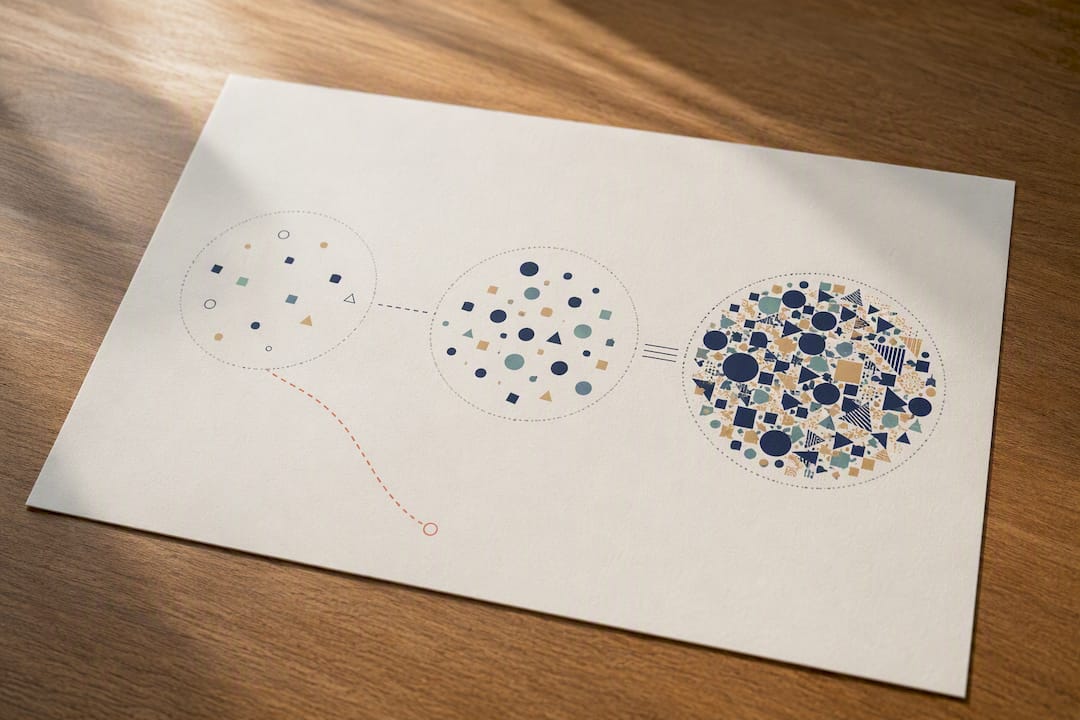
Relapse is a process, not an event. Clinical reviews describe it as a gradual sequence that typically begins with emotional withdrawal, moves into mental struggle, and ends with the physical act of using again, sometimes weeks or months after the first warning sign appears.
Emotional relapse looks nothing like using. The person isn’t thinking about substances at all, at least not consciously. Instead you’ll see:
- Withdrawal from friends, family, or support meetings
- Bottled-up emotions and irritability
- Poor sleep or appetite changes
- Neglected self-care and hygiene
Mental relapse is the internal tug-of-war. Part of the person wants to stay sober; part of them is already negotiating a way back to use. This stage brings cravings, romanticizing past use, minimizing consequences, and quiet planning, like figuring out when they’d have privacy to use again.
Physical relapse is the final step, the actual return to substance use. Once someone reaches this point, the mental defenses that held them back have usually eroded for some time, which is why treatment providers focus so much attention on the earlier, quieter stages, when intervention is still relatively simple.
The Early Warning Signs Checklist
Warning signs cluster into two buckets: what the person feels internally, and what shows up in behavior that others can see. Spotting one sign is a nudge to pay attention. Spotting several at once, especially over a week or two, is a signal to act.
Pro Tip: Keep a simple log, even three bullet points a week, of mood, sleep, and social contact. Patterns are far easier to see on paper than in memory.
- Isolation — pulling away from sober friends, family dinners, or group chats they used to engage with
- Sleep and eating changes — insomnia, oversleeping, skipped meals, or sudden weight shifts
- Skipping meetings or therapy — missing sessions they’d normally protect, or making excuses to leave early
- Cravings and romanticizing — talking about “the good old days” of using, or dismissing past consequences
- Secrecy and defensiveness — vague answers about where they’ve been, irritation at simple questions
- Neglected hygiene or appearance — a noticeable drop in basic self-care
- Contact with old people or places — reconnecting with a former dealer, an old using buddy, or a bar they used to frequent
- Missing money or items — cash, prescriptions, or valuables disappearing without explanation
No single item on this list means relapse is guaranteed. But peer-reviewed frameworks consistently link romanticizing use and secretive planning to the mental stage specifically, which sits closer to actual use than isolation or sleep changes do. The more boxes checked, and the longer they persist, the higher the urgency.
What Actually Triggers a Relapse
Triggers fall into two categories: things that happen around the person, and things happening inside them. Both matter.
External triggers include:
- Anniversaries, holidays, or reunions tied to past use
- Running into old using contacts or passing familiar locations
- Weddings, promotions, or parties where alcohol is present
Internal risk factors are quieter but often more dangerous:
- Untreated depression or anxiety
- Chronic sleep problems
- Lingering withdrawal symptoms
- Relationship conflict or financial stress
Here’s what surprises a lot of families: good news can be just as risky as bad news. Celebrations create a false sense of security, and people sometimes convince themselves that one drink to mark the occasion is harmless. That belief, more than the party itself, is the actual trigger.
Pro Tip: If a major celebration is coming up, plan the exit strategy before the event, not during it. Know who you’ll call and how you’ll leave early if needed.
What to Do the Moment You Notice a Warning Sign
Speed matters more than perfection here. A few concrete steps, taken quickly, beat an elaborate plan you never start.
- Restore the basics first. Get sleep and regular meals back on track and remove easy access to substances in the home.
- Call someone now. A sponsor, therapist, or trusted friend, not tomorrow, not after you’ve thought it over more.
- Pull out the written plan. If a Relapse Response Plan exists from treatment, it should already list who to call, where to go, and what to say.
- Avoid known triggers deliberately. Skip the bar, the old neighborhood, the contact who still uses, at least until things stabilize.
- If a lapse happens anyway, be honest immediately. Get medical attention if there’s any risk of overdose or dangerous withdrawal, and re-engage treatment right away rather than waiting for a “better” moment.
One lapse doesn’t erase progress, but treating it like a secret does the real damage. The faster someone reaches out, the smaller the setback tends to stay.
Building a Relapse Prevention Plan That Actually Works
A written plan beats a mental one every time, mostly because panic is a terrible time to improvise. Clinical practice models built around frameworks like Terry Gorski’s and Alan Marlatt’s relapse prevention work generally include the same core pieces: known personal triggers, specific coping tools, a list of emergency contacts with phone numbers already saved, and a clear first step to take when warning signs appear.
Daily habits do the heavy lifting between crises:
- Consistent sleep and meal schedules
- Regular attendance at support meetings
- Medication adherence, when a doctor has prescribed something
- A quick HALT check: am I Hungry, Angry, Lonely, or Tired?
Coping techniques worth practicing before you need them include urge-surfing (riding out a craving without acting on it, since most cravings peak and fade within twenty or thirty minutes), grounding exercises, and simply scheduling the day tightly enough that idle time doesn’t become risk time.
Pro Tip: Write your plan while you’re stable, not during a crisis. The version you draft in a calm moment is almost always more useful than the one you’d write in a panic.
For anyone whose relapse risk is tangled up with depression, anxiety, or another mental health condition, prevention plans work far better when they treat both issues together rather than separately. Medication-assisted treatment can also lower risk substantially for certain substances, particularly opioids, when a physician has recommended it.
How Loved Ones Can Spot the Signs and Start the Conversation
Family and friends often catch the emotional stage before the person in recovery admits anything is wrong. That outside perspective is valuable precisely because the person struggling has lost some objectivity about their own behavior.
If you’re noticing withdrawal, secrecy, or a return to old habits, timing and tone matter. Pick a private, calm moment rather than a public one. Lead with specific observations (“You’ve missed the last three meetings”) instead of accusations (“You’re relapsing”). Avoid ultimatums in that first conversation. Ask what they need, and mention that peer support and structured meetings can be a low-pressure next step if they’re not ready for anything bigger.
When Warning Signs Become a Medical Emergency
Some situations skip the slow build entirely. Suicidal statements, overdose symptoms, seizures, or severe withdrawal (from alcohol or benzodiazepines especially) require calling 911 immediately, not a wait-and-watch approach. For anything less acute but still urgent, SAMHSA’s National Helpline and treatment locator connect people to same-day guidance around the clock.
A Clinical Perspective on Catching Relapse Early
The earlier a team intervenes, the more options exist. Emotional-stage signs respond well to structure and support; physical-stage relapse often needs medically supervised care. That’s the gap Connected Recovery’s clinical approach is built to close.
— Jim
Getting Professional Support Before Relapse Progresses
Reading a checklist helps you catch the signs. Acting on them usually means getting a professional evaluation, especially once mental-stage cravings or secrecy show up. A facility built around this window is often small enough that staff notice the emotional-stage changes families sometimes miss on their own.

If someone you love is skipping meetings and pulling away, Relapse Prevention programming addresses that stage directly, with coping tools and check-ins built around the specific triggers a person names during assessment. If withdrawal symptoms or uncontrolled cravings have already appeared, Medical Detox provides 24/7 supervision to manage that risk safely. When depression, anxiety, or another mental health condition is feeding the relapse cycle, Dual Diagnosis Treatment treats both at once rather than treating the addiction in isolation.
The first call typically starts with a short clinical assessment, covering substance history, current symptoms, and any co-occurring mental health concerns, followed by a plan tailored to what that assessment finds. Reach out through the full program list to talk through which option fits, before the mental stage turns into the physical one.
Sources
For deeper reading or a professional referral, the PMC clinical review on relapse stages, Cleveland Clinic’s overview of relapse triggers, and SAMHSA’s national helpline are strong starting points. Families navigating legal complications alongside treatment may also find Armstrong Bail Bonds’ guide on justice-system navigation useful.
This article is general information, not a substitute for advice from a qualified doctor. Consult a qualified healthcare professional about your own circumstances before acting on anything here.
- Relapse Prevention and Related Clinical Reviews (PMC)
- Relapse (Return to Substance Use) — Cleveland Clinic
- Substance Abuse and Mental Health Services Administration (SAMHSA)
- Relapse prevention: Recognize the signs — Geisinger
FAQ
What Are the First Warning Signs of Relapse?
The earliest signs are emotional and behavioral, not physical: isolation, irritability, poor sleep, and skipping meetings or therapy. These typically show up during the emotional stage, often weeks before any actual substance use occurs.
How Long Before Relapse Do Warning Signs Appear?
Clinical reviews show the process can begin weeks or months before someone physically uses again, moving from emotional withdrawal through mental cravings before reaching the physical stage. The timeline varies by person and by how quickly support steps in.
Can a Positive Event Trigger a Relapse?
Yes. Celebrations, promotions, and other good news can create a false sense of security, and people sometimes romanticize past use during high points, not just difficult ones. Planning ahead for celebrations reduces that risk.
What Should I Do if I Notice Relapse Warning Signs in a Loved One?
Restore basic routines, remove easy access to substances, and start a calm, specific conversation rather than an accusation. If cravings or secrecy are already present, a clinical evaluation through a program like Connected Recovery’s relapse prevention services can address the mental stage before it advances further.
When Does a Warning Sign Become a Medical Emergency?
Suicidal statements, overdose symptoms, seizures, or severe withdrawal require an immediate call to 911. For urgent but non-life-threatening situations, SAMHSA’s helpline connects people to same-day support and treatment options.
Recommended
DHCS Licensed · Joint Commission Accredited
If you or a loved one is struggling with substance use, our admissions team is available to verify your insurance benefits and help you begin recovery. All calls are confidential.