
Blog
The Role of Personalized Nutrition Recovery in Detox and Care
The Role of Personalized Nutrition Recovery in Detox and Care

Personalized nutrition stabilizes the body during withdrawal, corrects deficiencies like thiamine loss in alcohol use, reduces the physical severity of detox, and helps repair the gut-brain axis that governs mood and cognition. This is not a wellness add-on. It’s a clinical lever medical teams use from the first day of detox through residential treatment and beyond.
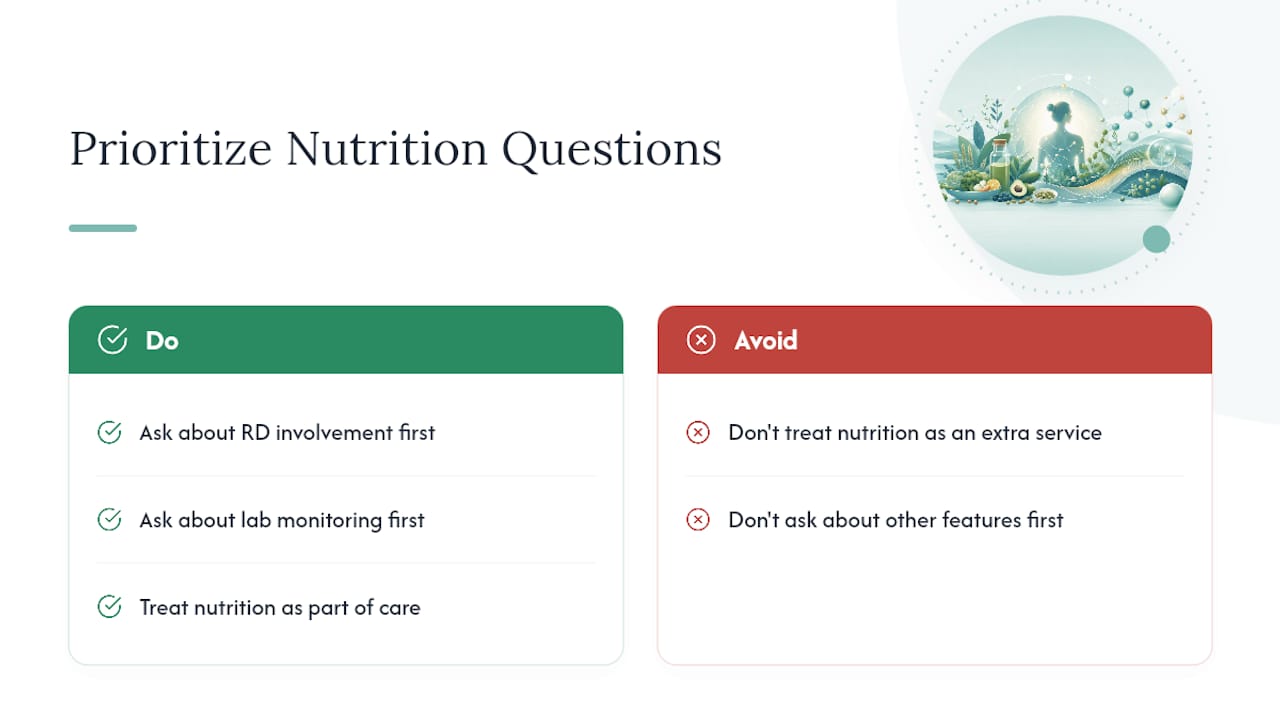
Before you sign intake paperwork anywhere, look for these three things:
- Hydration and electrolyte protocols in place before solid food is introduced
- Lab screening for thiamine and B vitamins, especially with alcohol use
- A written, individualized meal plan built by a Registered Dietitian (RD/RDN), not a generic menu
Ask directly whether an RD/RDN sits on the medical team and whether a documented nutrition assessment happens at intake. If the answer is vague, keep asking.
Key Takeaways
Personalized nutrition works because it corrects specific physiological deficits, like thiamine loss, while supporting the gut-brain repair that stabilizes mood and reduces cravings during recovery.
| Point | Details |
|---|---|
| Nutrition is a clinical pillar | It affects withdrawal severity, cognition, and organ repair, not just comfort. |
| Thiamine correction is urgent | Alcohol withdrawal requires thiamine before carbohydrate loading to prevent neurological injury. |
| Plans should shift by phase | Detox, stabilization, residential care, and aftercare each need different food strategies. |
| RD involvement is a trust signal | Ask whether a Registered Dietitian reviews and adjusts the plan regularly. |
| Connected Recovery embeds RD-led care | Its 12-bed Van Nuys facility builds nutrition assessment into medical detox and residential treatment from intake onward. |
Table of Contents
- Why Personalized Nutrition Matters During Medically Supervised Detox
- What Does a Personalized Nutrition Assessment Actually Include?
- How Does Nutrition Change Across Each Phase of Treatment?
- Who Should Be Delivering Personalized Nutrition Care?
- What Are the Safety Risks and Evidence Limits?
- Practical Nutrition Tips for Patients and Families
- How Do You Choose a Program With Real Nutrition Support?
- Get Personalized Nutrition Support at Connected Recovery
- Sources
Why Personalized Nutrition Matters During Medically Supervised Detox
Nutrition affects withdrawal severity, cognitive clarity, mood stability, and how fast damaged organs repair themselves. This isn’t a minor supporting detail in detox. It’s one of the levers medical teams actually pull.
A few mechanisms explain why:
- Hydration and electrolytes. Sodium, potassium, and chloride balance affects heart rhythm, blood pressure, and how rough withdrawal feels physically.
- Micronutrient correction. Restoring thiamine and other depleted vitamins prevents complications like Wernicke-Korsakoff syndrome, a serious neurological risk in alcohol withdrawal.
- Protein and complex carbohydrates. These stabilize blood glucose and give the body raw material for tissue repair.
- Gut-brain signaling. Diet shapes the microbiome, which influences the reward circuitry tied to cravings, according to research on nutrition and the addiction recovery process.
The evidence base here is real but still developing. Reviews consistently find that structured nutrition interventions and micronutrient supplementation improve recovery-related outcomes, yet large randomized trials testing exact nutrient doses for substance use disorder remain scarce. Programs and clinicians fill that gap with individualized judgment, not guesswork.
What Does a Personalized Nutrition Assessment Actually Include?
A real assessment at intake goes well beyond a food-preference questionnaire. Detox nutrition guidance calls for laboratory testing, anthropometric measurements, and a detailed nutrition history before any meal plan gets written.
Expect the intake process to cover:
- A nutritional history: recent weight changes, appetite patterns, and food access
- Anthropometrics: BMI and weight trend tracking
- Lab panels: electrolytes, magnesium, thiamine (B1), B12/folate, iron studies, vitamin D, and a basic liver panel
- Screening for refeeding risk in anyone who’s been severely malnourished
From there, a real plan includes short-term medical nutrition therapy for acute deficits, a progressive meal plan that moves from clear liquids to small frequent meals to balanced full meals, targeted supplementation when labs call for it, and a documented follow-up schedule. The best personalized treatment plans build nutrition in as a tracked component, not an afterthought.
Pro Tip: Ask whether the assessment covers social factors too, like food insecurity, limited meal access, or cultural food preferences, and whether family members can join a nutrition counseling session. Programs that skip this step usually skip the follow-up too.

How Does Nutrition Change Across Each Phase of Treatment?
Nutrition needs shift dramatically as the body stabilizes, and a plan that doesn’t adjust with each phase is not really personalized. Here’s how the goals and food strategy typically move:
| Phase | Primary Nutrition Goal | Typical Food Strategy | Monitoring Focus |
|---|---|---|---|
| Immediate detox | Rehydrate, correct acute deficits | Clear fluids, electrolyte replacement, thiamine before carbohydrate loading | Vital signs, GI tolerance, lab recheck |
| Early stabilization | Restore appetite and GI function | Small, frequent meals; bland, low-fat foods | Weight trend, hydration, nausea |
| Residential treatment | Rebuild nutritional status | High-protein, high-fiber balanced meals; targeted supplements | Ongoing labs, RD-led plan adjustments |
| Aftercare/transition | Sustain gains, prevent relapse triggers | Nutrient-dense meals, structured planning at home | Follow-up appointments, self-reported eating patterns |
Gastrointestinal distress is common in early detox withdrawal, and many patients can only tolerate clear liquids for the first day or two. Transitioning to solids has to happen gradually and under supervision to avoid worsening electrolyte imbalances.
As tolerance builds, food strategy shifts toward:
- High-protein, high-fiber meals to rebuild lean mass and support digestion
- Nutrient-dense snacks instead of sugar, which can quietly become a substitute coping mechanism
- Omega-3 and vitamin D sources when labs show a deficiency
Pro Tip: During early recovery, small and frequent meals beat three large ones. They’re easier on a stressed GI system and reduce the refeeding risks that come with reintroducing food too fast.
Who Should Be Delivering Personalized Nutrition Care?
Nutrition care in detox works best as a team effort, not a solo project.
- Registered Dietitian (RD/RDN): Runs the nutrition assessment, builds the individualized meal plan, designs supplementation protocols, and handles ongoing education and follow-up.
- Medical provider (MD/DO/PA/NP): Oversees the medical picture, orders labs, and prescribes thiamine or other necessary medications.
- Nursing staff: Tracks daily intake, hydration, and electrolyte replacement in real time.
- Behavioral clinicians: Weave nutrition into therapy sessions and relapse-prevention planning.
Dietitians bring specialized skill to alcohol withdrawal and residential care, but their involvement across programs is inconsistent. Quality programs close that gap by building RD involvement into the standard care pathway rather than treating it as optional.
Connected Recovery structures its model around this exact team approach, with RD-led planning built into daily care. Ask any program how often their RD actually reviews patient progress. The answer tells you a lot.
What Are the Safety Risks and Evidence Limits?
Some nutrition interventions aren’t optional extras. They’re medical priorities that require direct supervision. Thiamine administration before carbohydrate loading in alcohol withdrawal prevents a specific and serious neurological injury. Careful, gradual refeeding for severely malnourished patients prevents refeeding syndrome, a dangerous shift in electrolytes that can happen when food is reintroduced too fast.
Watch for these specific risks during any monitored detox:
- Electrolyte imbalance during rehydration
- Thiamine deficiency before glucose-heavy meals in alcohol withdrawal
- Refeeding syndrome in patients with significant prior malnutrition
- Interactions between supplements and prescribed medications
Consensus is strong that nutrition belongs in the clinical core of addiction treatment, but few large randomized trials have tested exact nutrient doses for substance use disorder outcomes. That gap means good programs lean on individualized clinical judgment rather than a fixed protocol.
Practical Nutrition Tips for Patients and Families
The short version: prioritize hydration, favor small protein-rich meals, and steer clear of high-sugar, ultra-processed comfort foods that can quietly destabilize cravings during early recovery.
For managing common early symptoms and stocking useful foods:
- Nausea often responds well to clear broths, ginger, or peppermint tea
- Budget-friendly, nutrient-dense snacks include canned tuna, beans, fortified cereal, eggs, and plain yogurt
- Simple, easy-to-prep meals reduce stress in a residential setting where kitchen access is limited
A resource like this guide to personalized meal planning offers a useful starting framework families can adapt with recovery-appropriate substitutions.
Three steps to take right now:
- Ask the intake team directly whether an RD is involved and what labs are run.
- Bring or request snacks you know the person can tolerate.
- Confirm a follow-up nutrition appointment is scheduled before discharge, not after.
How Do You Choose a Program With Real Nutrition Support?
Insist on an RD/RDN as part of intake, a written nutrition plan tied to lab results, and a scheduled RD follow-up. Anything less is a guess dressed up as a plan.
When you’re comparing programs, ask directly:
- Is an RD/RDN on staff, and do they have addiction treatment experience?
- What labs are run at intake?
- How do you manage thiamine administration and refeeding risk?
- How is nutrition coordinated with medications and therapy?
- What happens for nutrition follow-up after discharge?
Red flags to watch for: no nutrition assessment at intake, a single fixed menu with no individual adjustments, reluctance to share the RD’s credentials, or no aftercare nutrition plan at all. A program built around individualized treatment should be able to answer every one of these questions without hesitation.
Pro Tip: Write down each program’s answers side by side. Comparing notes later is far easier than trying to remember which facility said what during a stressful intake call.
A Note From the Treatment Team
We built our approach around treating nutrition as inseparable from medical and psychiatric care, not an extra service bolted on. If you’re evaluating a program for yourself or someone you love, ask about RD involvement and lab monitoring before you ask about anything else.
Get Personalized Nutrition Support at Connected Recovery
Connected Recovery is a boutique, 12-bed facility in Van Nuys built around the exact model this article describes: RD-involved nutrition planning woven into medical detox, residential treatment, and dual-diagnosis care, backed by 24/7 medical supervision.
Unlike larger facilities where nutrition can get lost in a bigger caseload, the small bed count here means the medical team, including nutrition planning, tracks each person closely from intake through discharge. If you’re weighing medical detox or residential treatment for yourself or a family member, call and ask specifically whether an RD/RDN is part of the team and request a copy of what the intake nutrition assessment covers. It’s a fair question, and a program confident in its care model will answer it plainly.
Sources
- Detoxification and nutrition — NCBI Bookshelf (Detoxification chapter)
- The Role of Nutrition in Substance Abuse Recovery: Addressing Nutritional Deficiencies for Improved Outcomes — AJFRN (2025 systematic review)
- The role of the dietitian in alcohol withdrawal and addiction treatment — Drug and Alcohol Review
This article is general information, not a substitute for advice from a qualified doctor. Consult a qualified healthcare professional about your own circumstances before acting on anything here.
Recommended
DHCS Licensed · Joint Commission Accredited
If you or a loved one is struggling with substance use, our admissions team is available to verify your insurance benefits and help you begin recovery. All calls are confidential.